


Комплексный обзор механизмов погружных насосов для глубоких скважин
Оглавление
1. Введение в погружные насосы для глубинных скважин
2. Понимание погружных насосов
3. Типы глубинных погружных насосов
4. Основные компоненты погружных насосов для глубинных скважин
5. Принцип работы погружных глубинных насосов
6. Преимущества использования глубинных погружных насосов
7. Применение глубинных погружных насосов
8. Советы по обслуживанию погружных насосов для глубинных скважин
9. Распространенные проблемы и способы их устранения
10. Заключение
11. Часто задаваемые вопросы
1. Введение в погружные насосы для глубинных скважин
Глубинные погружные насосы Являются важнейшими компонентами различных систем, особенно в сельском хозяйстве, городском водоснабжении и промышленных процессах. Эти насосы предназначены для работы под водой, что делает их высокоэффективными при добыче воды из глубоких водоносных горизонтов. В этой статье подробно рассматриваются механизмы, типы, компоненты и области применения этих важных устройств, а также принципы их работы, преимущества и рекомендации по техническому обслуживанию.
2. Понимание погружных насосов
Погружные насосы — это специализированные устройства, работающие под водой в перекачиваемой жидкости. В отличие от стандартных насосов, которым требуется всасывающий механизм, погружные насосы выталкивают жидкость на поверхность, устраняя необходимость в заливке и снижая риск кавитации. Их конструкция обеспечивает эффективную перекачку воды из глубоких скважин, что делает их незаменимыми во многих отраслях.
2.1 Основные характеристики погружных насосов
- Эффективность: погружные насосы разработаны для обеспечения высокой эффективности добычи воды.
- Долговечность: изготовленные из прочных материалов, эти насосы выдерживают суровые условия.
Компактная конструкция: позволяет производить установку в узких или ограниченных пространствах.
3. Типы глубинных погружных насосов
Погружные насосы для глубинных скважин можно классифицировать по различным параметрам, включая конструкцию, область применения и принцип работы. Ниже перечислены основные типы:
3.1 Вертикальные турбинные насосы
Вертикальные турбинные насосы состоят из нескольких рабочих колес, установленных вертикально друг над другом. Они подходят для глубоких скважин и способны эффективно перекачивать большие объемы воды.
3.2 Скважинные насосы
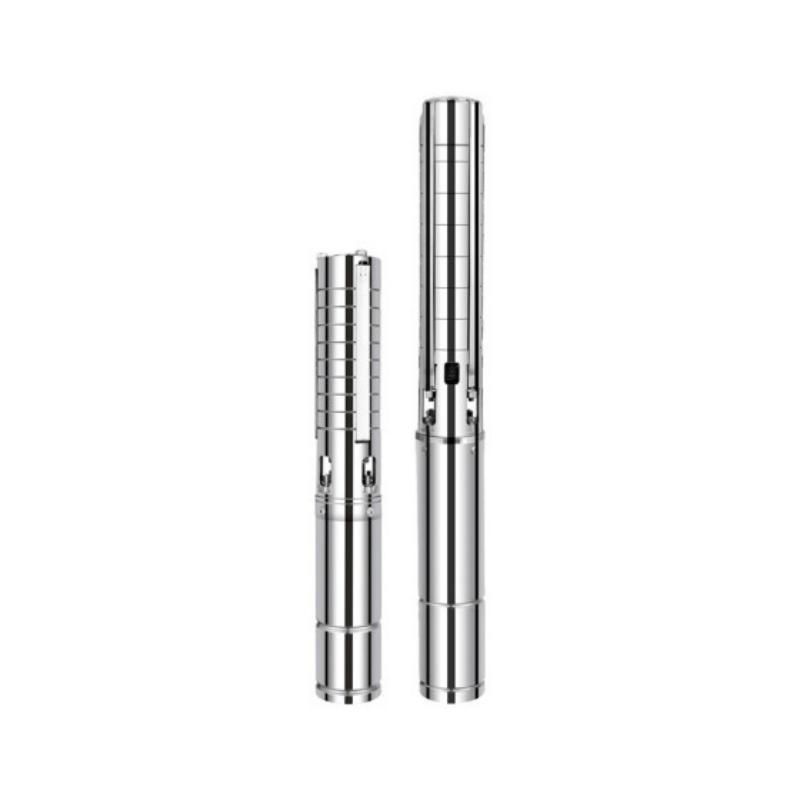
Скважинные насосы специально разработаны для глубоких скважин. Они, как правило, имеют меньший диаметр, что делает их идеальными для узких скважин.
3.3 Многоступенчатые насосы
Многоступенчатые погружные насосы используют несколько рабочих колес для повышения давления, что делает их пригодными для применений, требующих высокого давления нагнетания.
4. Основные компоненты погружных насосов для глубинных скважин
Понимание компонентов погружных насосов для глубоких скважин необходимо для оценки их эксплуатационной эффективности. Ключевые компоненты включают в себя:
4.1 Мотор
Двигатель приводит насос в действие и обычно герметичен, предотвращая попадание воды. Эти двигатели разработаны для обеспечения высокого крутящего момента и эффективности.
4.2 Рабочие колеса
Рабочие колеса играют ключевую роль в создании потока и давления. Конструкция и материал рабочих колес влияют на производительность и долговечность.
4.3 Диффузоры
Диффузоры контролируют поток воды и помогают преобразовывать кинетическую энергию рабочих колес в давление.
4.4 Вал
Вал соединяет двигатель с рабочими колесами, передавая необходимую для работы мощность.
4.5 Подшипники
Подшипники поддерживают вал, обеспечивая плавное вращение и минимизируя трение. Они играют решающую роль в долговечности и эффективности.
5. Принцип работы погружных глубинных насосов
Глубинные погружные насосы работают по простому принципу. Двигатель, расположенный в нижней части насоса, приводит в движение рабочие колеса, которые всасывают воду. Вращаясь, рабочие колеса проталкивают воду через диффузоры, увеличивая её давление. Затем вода под давлением поднимается по напорной трубе на поверхность.
Уникальная конструкция этих насосов позволяет им эффективно функционировать даже в глубоких скважинах, где атмосферное давление может ограничивать производительность поверхностных насосов.
6. Преимущества использования глубинных погружных насосов
Использование глубинных погружных насосов имеет ряд преимуществ:
6.1 Повышение эффективности
Погружные насосы по своей природе более эффективны, чем поверхностные насосы, благодаря своей конструкции, которая исключает попадание воздуха и кавитацию.
6.2 Экономия места
Их компактная конструкция позволяет устанавливать их в ограниченном пространстве, что делает их идеальными для различных применений.
6.3 Снижение уровня шума
При работе под водой значительно снижается уровень шума, что делает их пригодными для использования в жилых районах.
6.4 Более продолжительная продолжительность жизни
Благодаря прочной конструкции и герметичному двигателю эти насосы часто имеют более длительный срок эксплуатации по сравнению с обычными насосами.
7. Применение глубинных погружных насосов
Глубинные погружные насосы находят применение в различных отраслях, включая:
7.1 Сельскохозяйственное орошение
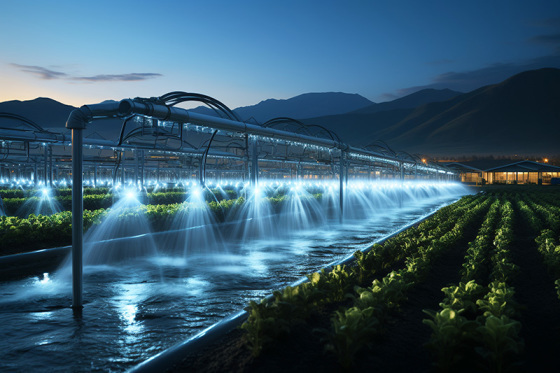
Фермеры используют эти насосы для извлечения грунтовых вод для орошения, обеспечивая эффективное водоснабжение сельскохозяйственных культур.
7.2 Муниципальное водоснабжение
Города используют глубинные погружные насосы для систем общественного водоснабжения, обеспечивая постоянный приток чистой воды.
7.3 Промышленные процессы
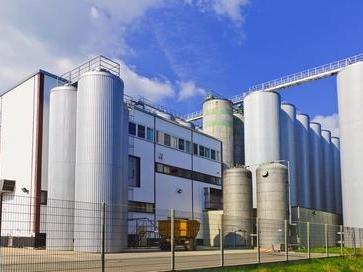
В различных отраслях промышленности погружные насосы используются для охлаждения, подачи технологической воды и очистки сточных вод.
8. Советы по обслуживанию погружных насосов для глубинных скважин
Для обеспечения долговечности и эффективности работы погружных насосов для глубинных скважин крайне важно регулярное техническое обслуживание. Вот несколько советов по обслуживанию:
8.1 Регулярные проверки
Проводите периодические проверки на предмет износа компонентов, особенно рабочих колес и подшипников.
8.2 Мониторинг производительности
Следите за показателями производительности насоса, включая расход и давление, чтобы выявить любые отклонения, которые могут указывать на проблемы.
8.3 Проверка электрических соединений
Убедитесь, что все электрические соединения надежны и не имеют следов коррозии, чтобы предотвратить возможные сбои в работе.
8.4 Чистота
Поддерживайте чистоту вокруг насоса, чтобы предотвратить попадание в систему мусора, который может привести к засорению и повреждению.
9. Распространенные проблемы и способы их устранения
Понимание потенциальных проблем с глубинными погружными насосами может помочь в своевременном устранении неполадок. Вот некоторые распространённые проблемы:
9.1 Потеря прайма
Если насос теряет напор, это может быть связано с подсосом воздуха или засорением впускного отверстия. Проверка уплотнений и очистка впускного отверстия могут решить эту проблему.
9.2 Перегрев
Перегрев может быть вызван неисправностью двигателя или недостаточным охлаждением. Обеспечьте надлежащую вентиляцию и исправность двигателя.
9.3 Вибрации
Чрезмерная вибрация может указывать на нарушение соосности или износ. Регулярно проверяйте и выравнивайте компоненты насоса, чтобы минимизировать вибрацию.
10. Заключение
Погружные насосы для глубоких скважин играют ключевую роль в добыче воды в различных отраслях промышленности. Их эффективная конструкция в сочетании с передовыми технологиями позволяет им эффективно работать в сложных условиях. Понимание их механизмов, компонентов и требований к техническому обслуживанию крайне важно для обеспечения оптимальной производительности и долговечности. При правильном уходе эти насосы могут продолжать выполнять свои функции долгие годы.
11. Часто задаваемые вопросы
Что такое глубинный погружной насос?
Погружной насос для глубинных скважин — это тип насоса, предназначенный для погружения в воду, который эффективно извлекает грунтовые воды из глубоких скважин.
Как работает погружной насос?
Двигатель насоса приводит в движение рабочие колеса, которые проталкивают воду через диффузоры, создавая давление, выталкивающее воду на поверхность.
Каковы основные преимущества погружных насосов?
Погружные насосы эффективны, экономят место, работают тише и, как правило, имеют более длительный срок службы по сравнению с поверхностными насосами.
Какое техническое обслуживание требуется для глубинных погружных насосов?
Регулярные осмотры, мониторинг производительности, проверка электрических соединений и поддержание чистоты имеют решающее значение для эффективного обслуживания.
Можно ли использовать погружной насос для полива?
Да, глубинные погружные насосы широко используются для орошения сельскохозяйственных угодий благодаря своей способности эффективно извлекать воду из глубоких водоносных горизонтов.




 IPv6 network supported.