


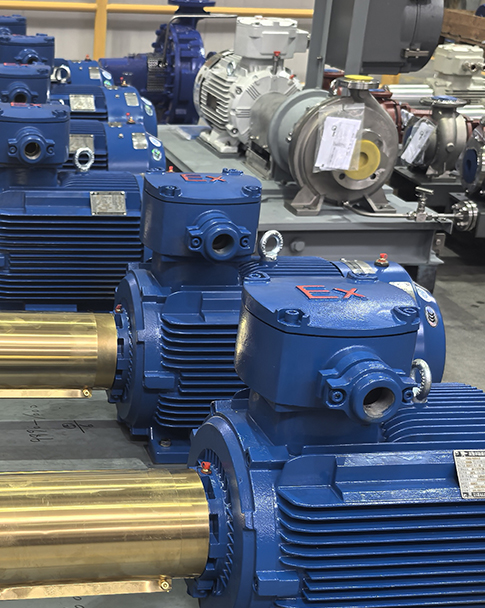
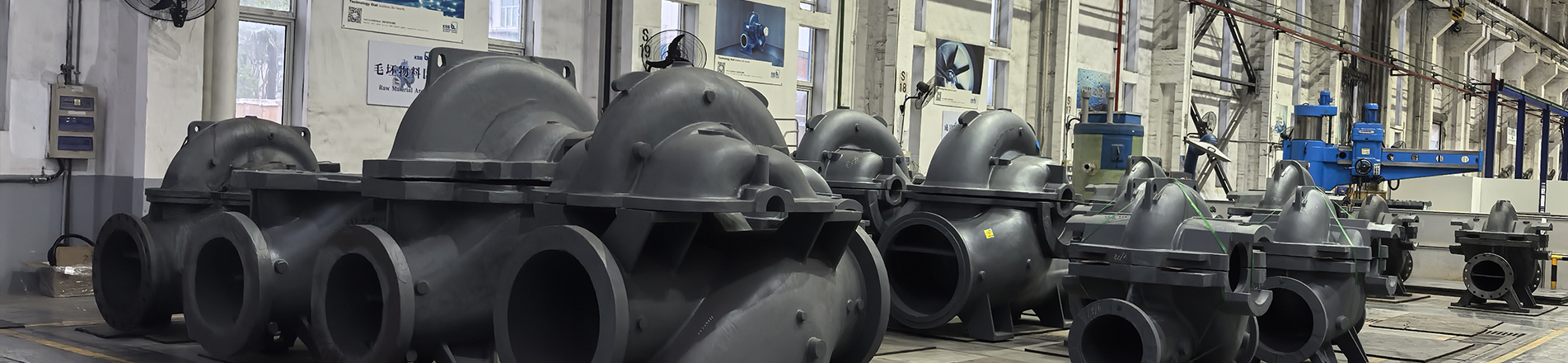
Основное различие заключается в количестве рабочих колес и создаваемом давлении. одноступенчатый центробежный насос Использует одно рабочее колесо и идеально подходит для применений с высоким расходом и низким или средним давлением, таких как системы отопления, вентиляции и кондиционирования воздуха (HVAC) или для общей перекачки воды. многоступенчатый центробежный насос В нем используется несколько рабочих колес, соединенных последовательно, для создания чрезвычайно высокого давления (напора), что делает его оптимальным выбором для подачи воды в котлы, обратного осмоса и водоснабжения высотных зданий.
Выбор подходящего насоса для вашего предприятия полностью зависит от ваших конкретных требований к расходу и напору (даче на выходе). Понимание механических различий между этими двумя конструкциями имеет решающее значение для максимальной эффективности. эффективность и минимизация затрат на техническое обслуживание.
Понимание работы одноступенчатых насосов
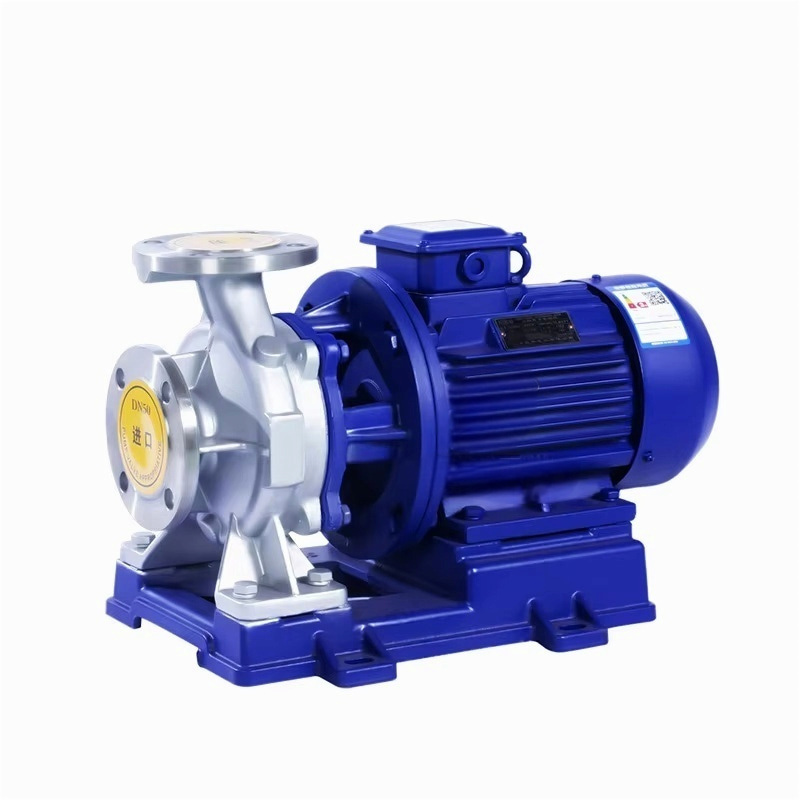
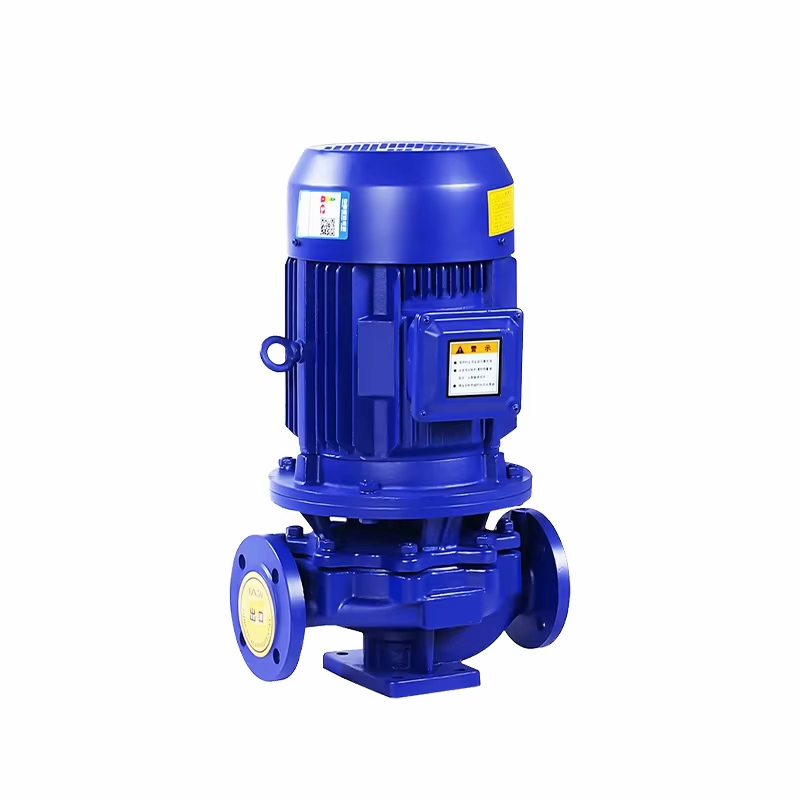
Как следует из названия, этот насос содержит только одно рабочее колесо, вращающееся внутри корпуса. Жидкость поступает во всасывающее отверстие, ускоряется центробежной силой рабочего колеса и выводится через спиральный корпус.
●Лучше всего подходит для: Области применения, требующие быстрой транспортировки огромных объемов жидкости на относительно короткие расстояния или на небольшой высоте.
●Преимущества: Простая конструкция, лёгкое техническое обслуживание, низкая первоначальная стоимость и превосходная надёжность для стандартных моделей. промышленное водоснабжениеа также эксплуатацию градирен.
●Ограничения:Их возможности сильно ограничены максимальным напором. Если попытаться достичь высокого давления, просто увеличив скорость вращения одного рабочего колеса, существует риск сильной кавитации и механической поломки.
Понимание многоступенчатых насосов
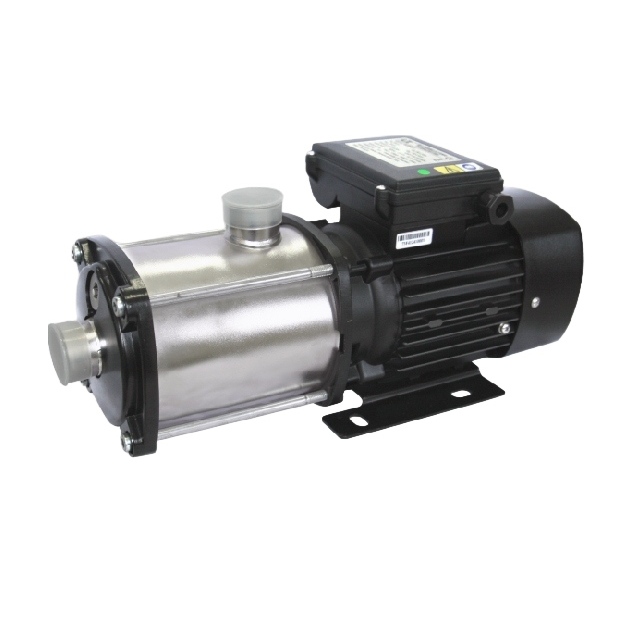
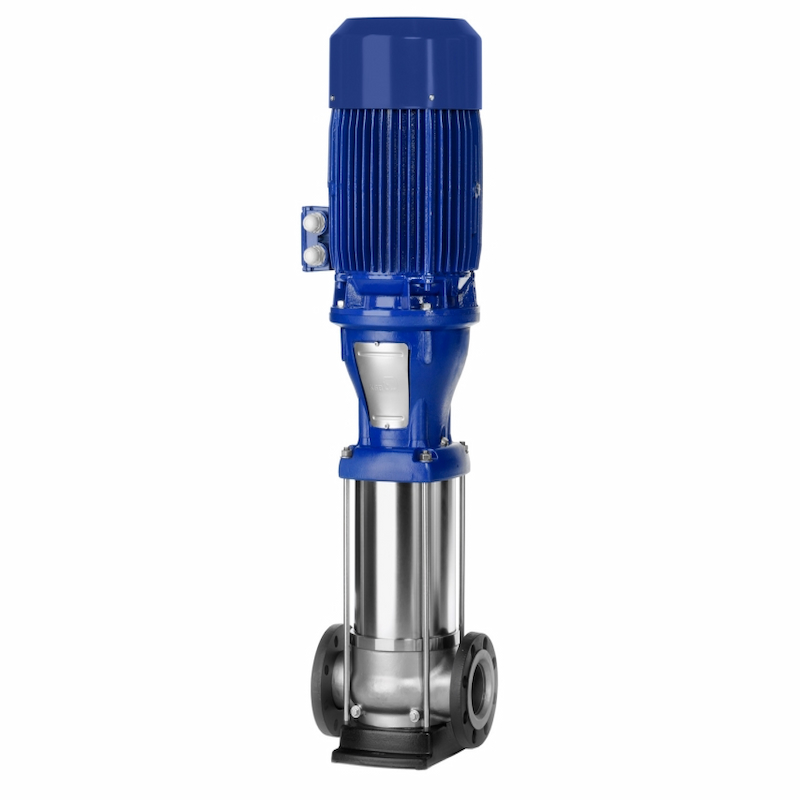
В многоступенчатой конфигурации жидкость проходит через два или более рабочих колеса, соединенных последовательно на одном валу. Жидкость выходит из первого рабочего колеса и подается непосредственно в отверстие следующего. На каждой ступени давление жидкости увеличивается, а расход остается постоянным.
●Лучше всего подходит для: Области применения, требующие высокого давления на выходе. Например, системы подачи воды в котлы, очистка под высоким давлением, опреснительные установки и добыча воды из глубоких скважин.
●Преимущества:Исключительно высокая производительность при высоком напоре. Они также отличаются высокой энергоэффективностью, поскольку используют несколько рабочих колес меньшего диаметра, работающих с меньшими зазорами, вместо одного массивного рабочего колеса.
●Ограничения: Внутренняя конструкция значительно сложнее, что означает более высокие первоначальные затраты и требует более квалифицированных специалистов для технического обслуживания и замены уплотнений.
Вердикт: Как сделать выбор
Если ваша производственная задача требует перемещения большого объема воды горизонтально по цеху, одноступенчатый насос — наиболее экономичное решение. Однако, если вам нужно перекачивать воду вверх по 50-этажному зданию или подавать воду в котел высокого давления, многоступенчатый насос — единственный жизнеспособный инженерный вариант. Перед принятием решения о покупке всегда сверяйтесь с характеристиками насоса и сопротивлением системы.




 IPv6 network supported.